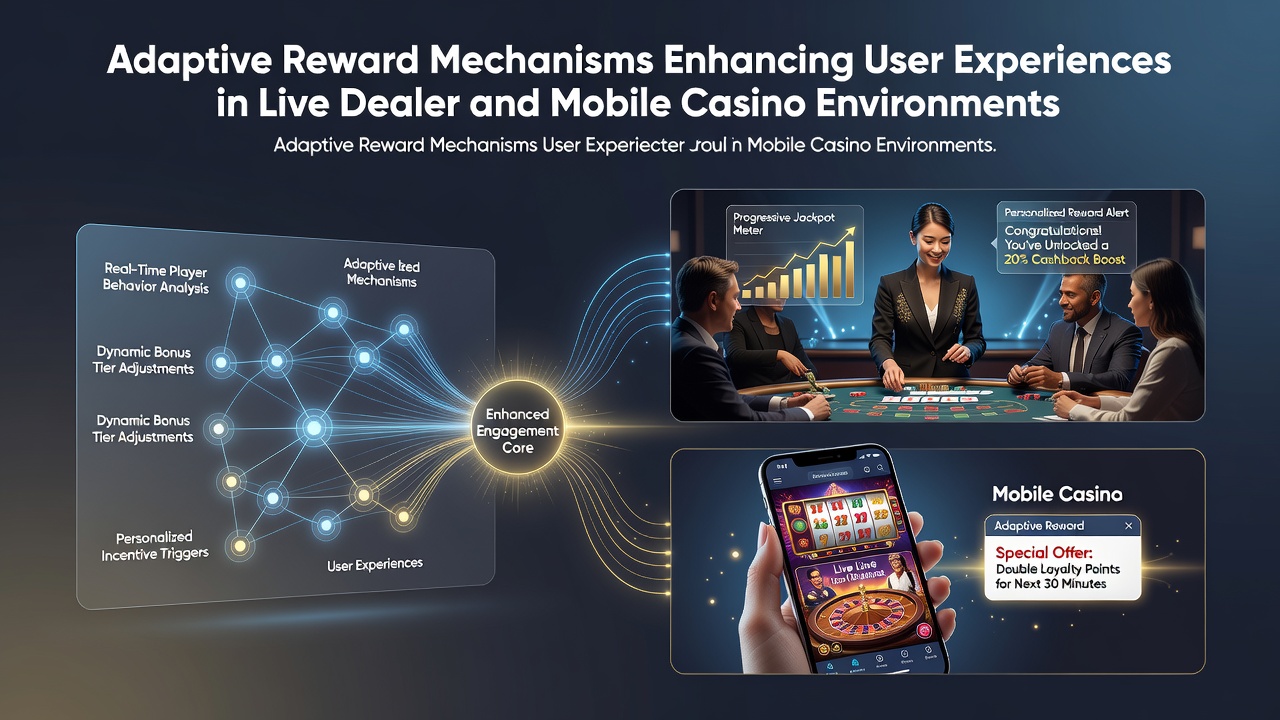
Adaptive Reward Mechanisms Transforming Experiences Across Live Dealer and Mobile Casino Platforms
Adaptive reward mechanisms operate by analyzing player behavior in real time and adjusting incentives accordingly, and this approach has gained traction in both live dealer streams and mobile casino applications since the mid-2020s. Systems collect data on session length, game preferences, and betting patterns, then deliver tailored bonuses or multipliers without requiring manual intervention from operators. Observers note that such automation allows platforms to respond to individual play styles while maintaining compliance with varying regional standards.
Core Components of Adaptive Systems
These mechanisms rely on algorithms that process inputs from user activity logs, device sensors, and game outcomes, while machine learning models refine predictions over successive sessions. In live dealer environments, rewards might trigger during specific table events such as a dealer shuffle or a winning streak, and mobile versions integrate similar logic through push notifications or in-app overlays. Data from industry reports shows that platforms employing these tools often see shifts in retention metrics, particularly when rewards adapt to peak activity hours across different time zones.
Integration With Live Dealer Streams
Live dealer platforms incorporate adaptive rewards by linking backend systems directly to video feeds and chat functions, so that a player who frequently joins blackjack tables at certain times receives targeted free bet offers during those windows. This setup connects player history with ongoing game states, enabling seamless delivery of incentives like instant cashback on losses or boosted payouts on specific hands. Researchers at institutions focused on digital entertainment have documented how such linkages reduce drop-off rates during extended sessions, and similar patterns appear in October 2026 updates from multiple European operators who expanded these features to additional table variants.
Mobile Application Enhancements
Mobile casino apps leverage device-specific data including location, battery levels, and interaction speed to modulate reward frequency and value, while maintaining separate protocols for live dealer feeds that stream over cellular or Wi-Fi connections. Users who switch between portrait and landscape modes during roulette rounds might encounter adjusted spin multipliers that reflect their engagement level, and this responsiveness stems from continuous model updates rather than static rule sets. Figures from North American gaming associations indicate that mobile-first implementations account for growing portions of overall play volume, with adaptive layers contributing to smoother transitions between solo slot play and interactive dealer sessions.
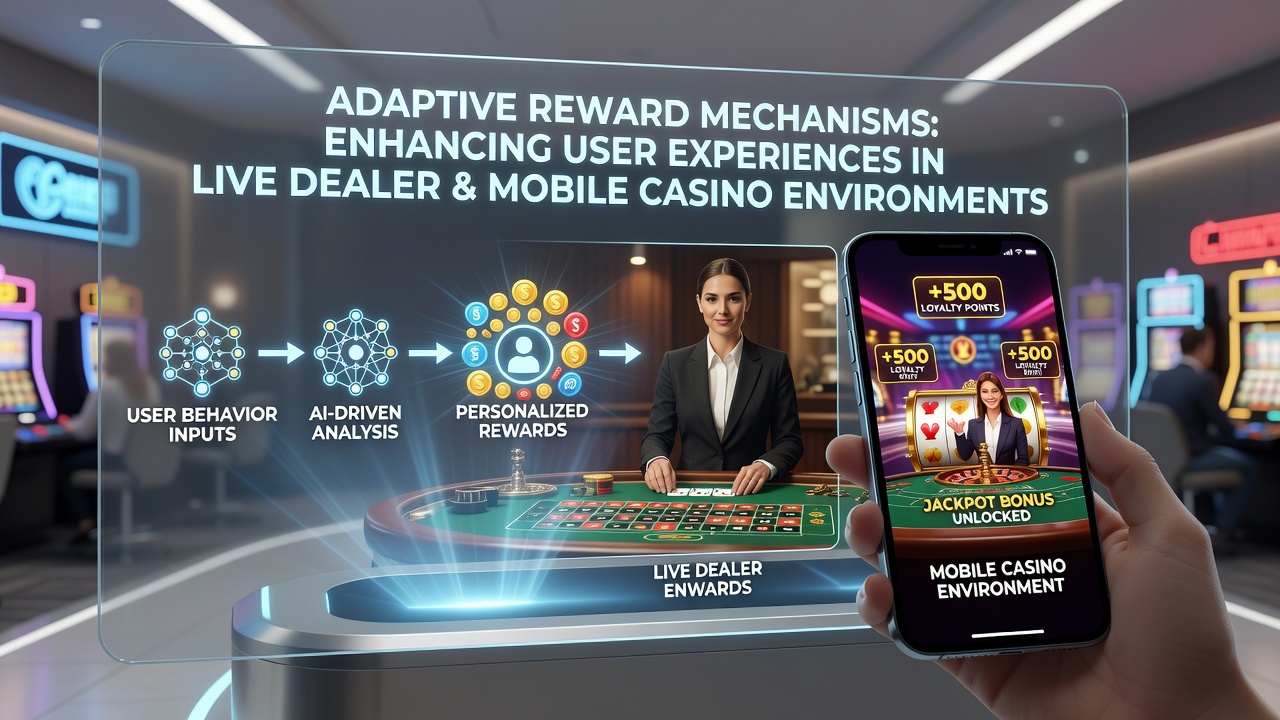
One study from a Canadian research group examined how these mobile adaptations interact with regulatory frameworks in multiple provinces, revealing that clear audit trails for reward calculations help operators demonstrate fairness during reviews. The same analysis highlighted cases where players received escalating loyalty points based on cumulative mobile activity, which then carried over to live dealer environments without manual redemption steps.
Technical and Regulatory Considerations
Implementation requires robust data pipelines that handle high-volume inputs from thousands of concurrent sessions, and encryption standards ensure player information remains protected across jurisdictions. Regulatory bodies in Australia and several U.S. states have issued guidelines that emphasize transparency in how adaptive algorithms determine eligibility, prompting operators to publish simplified explanations within app settings. Those guidelines also address potential biases in reward distribution, leading developers to incorporate fairness checks that run alongside the primary adaptation engines.
What's interesting is the way cross-platform synchronization allows a reward earned on a mobile device to influence live dealer table limits, creating continuity that spans different access methods. Operators report that this continuity supports consistent player journeys, and external audits from independent testing labs verify that the underlying models do not favor one demographic over another when processing behavioral signals.
Future Directions and Industry Adoption
Continued refinement of these mechanisms points toward greater incorporation of biometric signals where permitted, such as heart rate data from wearables synced with mobile apps, although current deployments focus primarily on behavioral and transactional inputs. Industry organizations tracking global trends note that adoption rates climbed steadily through 2026, with October figures showing expanded use in markets outside traditional European hubs. Partnerships between software providers and hardware manufacturers have accelerated testing of edge computing solutions that reduce latency in reward delivery during live streams.
Evidence from academic papers on digital gaming interfaces suggests that well-calibrated adaptive systems can align operator goals with player satisfaction metrics, yet success depends on ongoing calibration against fresh datasets. Platforms that update models monthly rather than quarterly tend to maintain higher alignment with shifting user preferences across both live dealer and mobile formats.
Conclusion
Adaptive reward mechanisms continue to evolve through iterative data analysis and regulatory alignment, and their presence in live dealer alongside mobile casino settings demonstrates measurable impacts on session dynamics. Operators who integrate these tools with attention to technical reliability and jurisdictional requirements position themselves to sustain player interest over extended periods. As models improve and additional regions establish supporting frameworks, the underlying technology is expected to expand further while preserving core principles of fairness and transparency.