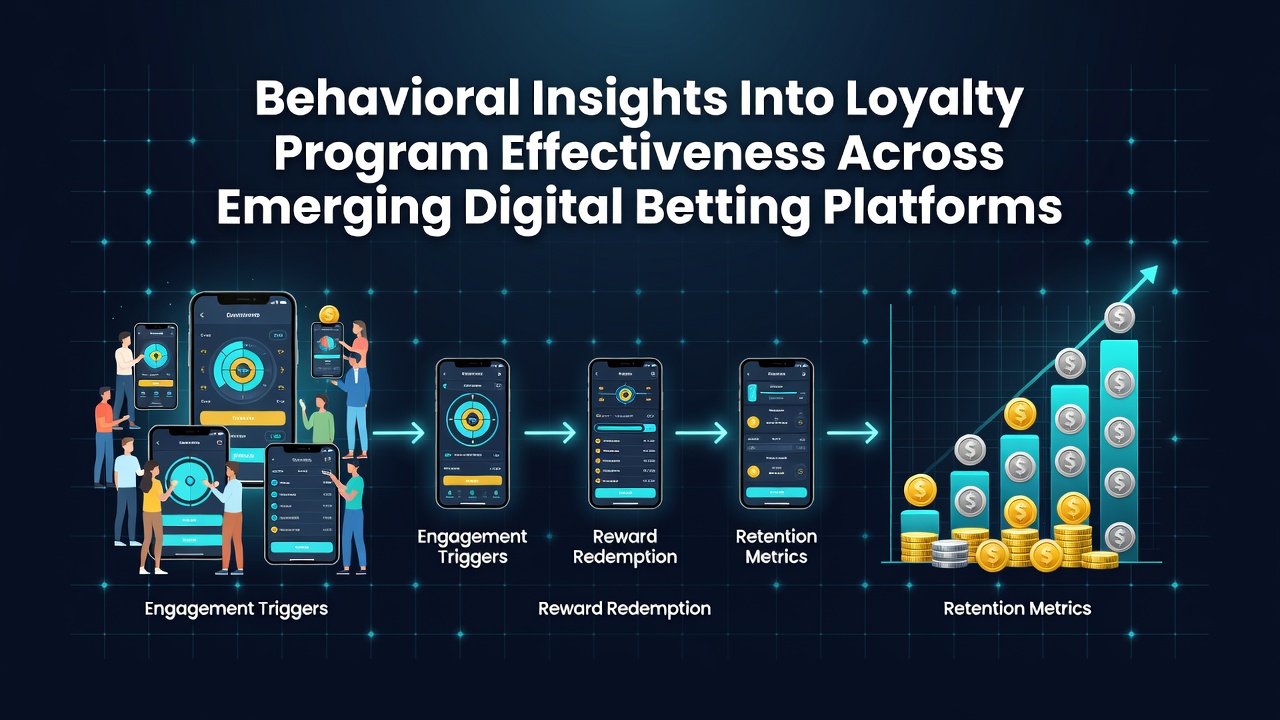
Behavioral Patterns in Loyalty Schemes for Emerging Digital Betting Platforms
Emerging digital betting platforms have expanded rapidly since 2024, and observers note that loyalty programs now rely heavily on behavioral science to drive retention across mobile and web interfaces. Data collected through August 2026 shows that tiered reward structures, variable reward schedules, and personalized nudges produce measurable differences in user activity compared with static bonus systems. Researchers tracking cohorts in North America and parts of Asia report that platforms applying loss-aversion framing retain active accounts at higher rates than those using flat cashback alone.
Core Behavioral Mechanisms at Work
Loss aversion, a principle documented across multiple decision-making studies, appears when platforms frame rewards as something users might forfeit if activity drops. One analysis of North American operators found that users who received weekly progress bars toward a nearly completed tier increased session frequency by noticeable margins within the same month. Variable-ratio reinforcement, drawn from established behavioral research, surfaces in randomized bonus drops that arrive unpredictably; platform telemetry indicates these triggers sustain play longer than fixed daily login rewards.
Social proof elements also factor in, with leaderboards and shared milestone badges appearing on newer apps launched after 2025. Canadian provincial data released in mid-2026 revealed that users exposed to peer-comparison visuals maintained balances above minimum thresholds more consistently than control groups. Meanwhile, endowment effects strengthen when accumulated points display in real time, encouraging users to continue rather than cash out early.
Regional Data and Platform Examples
Reports from the Ontario Lottery and Gaming Corporation highlight that loyalty integration in newly licensed digital sportsbooks produced a 14 percent lift in monthly active users during the first half of 2026. Similar patterns emerged in Australian market reviews, where operators deploying personalized goal-setting messages recorded steadier deposit intervals across a six-month window. These findings align with earlier academic work from the University of Nevada’s gaming research group, which linked reward immediacy to reduced churn.
Platforms entering markets in 2025 and 2026 often combine these tactics with machine-learning segmentation. Users flagged as high-frequency receive different reward cadences than those classified as occasional, and internal A/B tests continue to refine the approach. One documented case involved a Southeast Asian operator that adjusted its tier unlock timing after observing a drop-off point at the 60 percent completion mark; subsequent adjustments narrowed the gap between tiers and lifted completion rates.
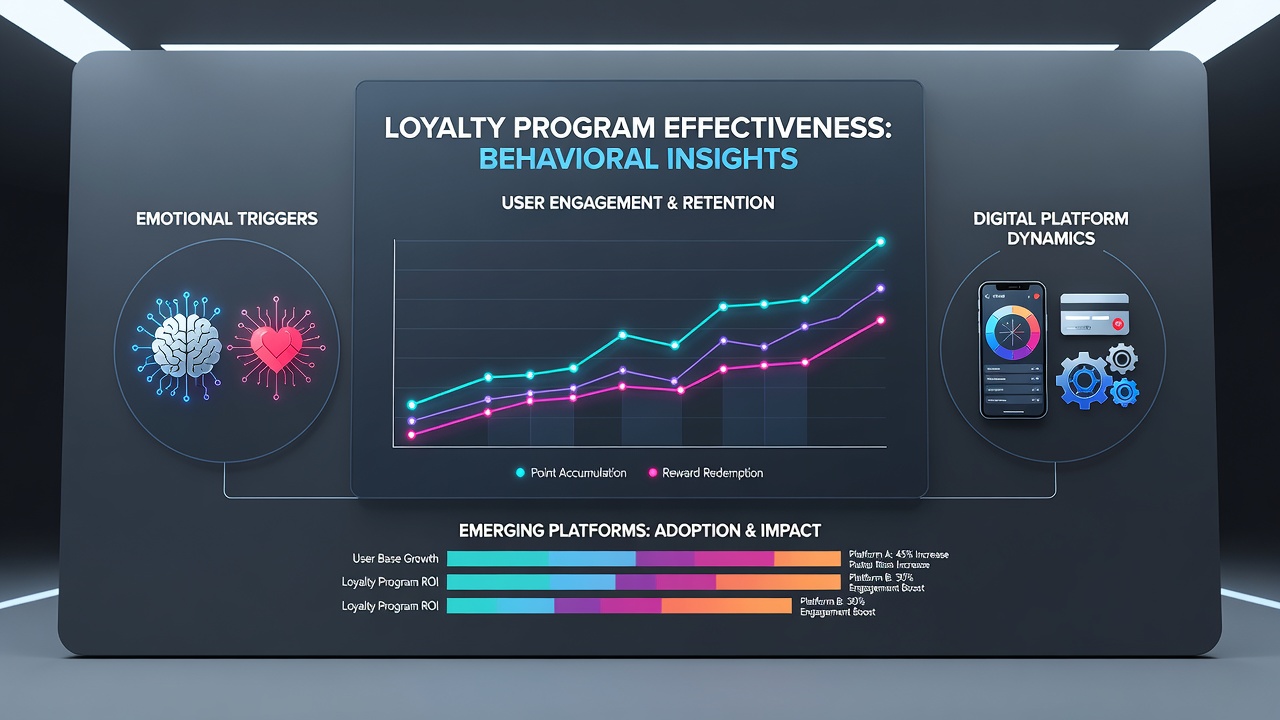
Measurement Approaches and Metrics
Effectiveness tracking now extends beyond simple retention percentages. Platforms monitor time-to-next-reward, redemption velocity, and cross-product migration as leading indicators. Data aggregated by the American Gaming Association through its 2026 industry survey showed that operators publishing transparent progress visuals experienced lower voluntary churn than those hiding point calculations. Academic partners at several universities have begun correlating these metrics with self-reported satisfaction scores, though sample sizes remain limited outside large-scale operator datasets.
August 2026 figures from multiple jurisdictions also flag an uptick in multi-platform switching when reward structures feel opaque. Users who perceive unclear terms tend to migrate toward competitors displaying clearer progress indicators. This pattern has prompted several new entrants to publish simplified reward calculators within their apps, a direct response to observed behavior rather than regulatory pressure alone.
Conclusion
Behavioral insights continue to shape how emerging digital betting platforms structure their loyalty offerings. Evidence from operator telemetry, regulatory summaries in Canada and Australia, and academic examinations points to the consistent influence of loss aversion, variable reinforcement, and social comparison on user persistence. As platforms refine these mechanisms through ongoing testing, the relationship between program design and measurable activity remains a central focus for industry observers and data analysts alike.