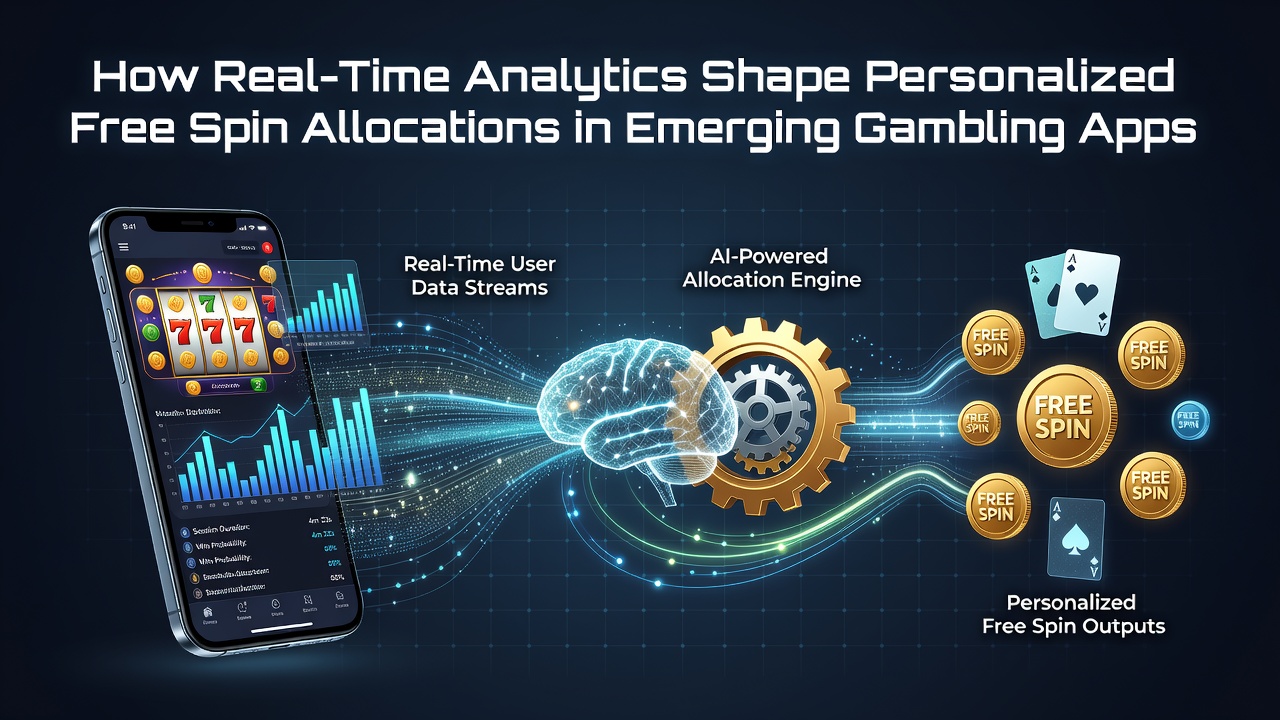
Data Streams Fueling Tailored Free Spin Rewards Across New Gambling Applications
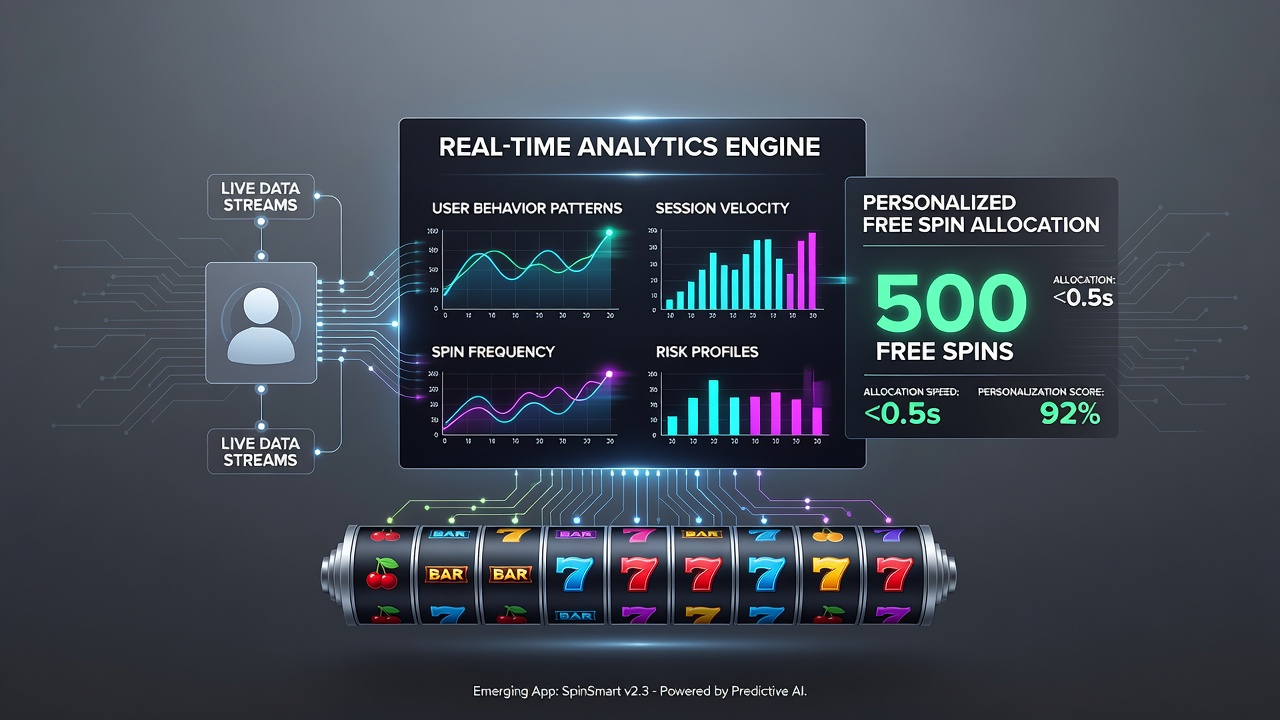
Real-time analytics platforms collect player interaction data from mobile gambling applications, then process session length, bet frequency, game preferences, and deposit patterns within milliseconds to determine free spin allocations. Developers integrate these systems directly into app architectures so that offers adjust automatically based on live behavior streams rather than static rules. Emerging gambling apps in multiple markets rely on this approach to distribute personalized free spins while operators track performance through centralized dashboards.
Core Components of Real-Time Data Pipelines
Applications gather telemetry from device sensors, touch interactions, and in-game events before routing it through edge servers that filter noise and forward structured records to cloud-based processing clusters. Machine learning models trained on historical datasets score each player profile in under two seconds, then trigger spin rewards when thresholds for engagement or spend are crossed. Observers note that these pipelines often combine Apache Kafka for event streaming with Spark Streaming for continuous computation, allowing operators to update offer parameters without app store resubmissions.
Player Segmentation Through Live Metrics
Segmentation engines divide users into cohorts according to recency, frequency, and monetary value scores updated every few minutes. A player who completes ten consecutive spins without a win might receive an immediate allocation of ten free spins on a low-volatility title, while another who deposits during peak hours could see spins added to a high-volatility slot. Data from October 2026 shows several platforms reduced average time-to-offer from hours to under thirty seconds after adopting these dynamic models.
Algorithmic Decision Frameworks
Decision trees and neural networks evaluate dozens of variables simultaneously, including time since last login, device type, and even weather data pulled from location services when permitted. Reinforcement learning loops refine allocation probabilities by measuring whether awarded spins lead to subsequent deposits or extended play sessions. Researchers at institutions such as the University of Nevada, Las Vegas have documented similar pattern recognition techniques applied across North American regulated markets.
One documented case involved an app that adjusted free spin quantities based on a player's average bet size relative to their session bankroll, increasing rewards for users who maintained conservative ratios and withholding them from those exceeding risk thresholds. The system achieved this by querying a live feature store that stored normalized behavioral vectors refreshed every fifteen seconds.
Integration With Payment and Compliance Layers
Payment gateways feed transaction timestamps into the same analytics stream so that free spin offers can align with deposit events or withdrawal requests. Compliance modules cross-reference these allocations against jurisdictional spending limits and age verification records before any reward appears in the user interface. Industry reports from the Responsible Gambling Council indicate that Canadian operators have incorporated similar real-time checks to maintain alignment with provincial standards while still delivering customized promotions.
Emerging applications also log every allocation decision for audit trails, storing the exact model version, input features, and output values in immutable ledgers. This practice supports post-hoc analysis when regulators request explanations for why certain players received different quantities of free spins on identical days.
Technical Challenges and Scaling Patterns
Latency spikes during high-traffic periods can delay model inference, prompting some developers to deploy lightweight on-device models that pre-calculate offer eligibility and sync results once connectivity stabilizes. Data privacy frameworks require anonymization techniques such as differential privacy before behavioral records leave the device, yet still permit aggregate trend detection across millions of sessions. Observers note that container orchestration tools like Kubernetes allow these workloads to scale horizontally during major sporting events when player volumes surge.
Measurement of Allocation Effectiveness
Operators track lift metrics by comparing cohorts that receive algorithmically chosen spins against control groups given fixed daily amounts. A/B testing frameworks embedded in the apps report conversion rates, average revenue per user, and retention curves updated daily. Studies from academic sources have shown that personalized allocations correlate with higher session counts when the reward timing matches detected drop-off points in player activity logs.
Conclusion
Real-time analytics continue to reshape how emerging gambling applications distribute free spins by linking live behavioral signals directly to reward engines. The combination of streaming data pipelines, adaptive models, and regulatory safeguards produces allocations that respond to individual patterns while maintaining operational transparency. As platforms expand into new regions, the same technical patterns support both personalization goals and compliance requirements through shared data infrastructure.