
Fintech Collaborations Reshape Loyalty Structures in Mobile Live Gaming Platforms
Fintech partnerships have accelerated the development of custom loyalty tiers across portable live gaming platforms since early 2025, with operators integrating payment processors, data analytics firms, and blockchain providers to deliver personalized reward structures that respond to real-time player activity. These alliances allow platforms to track deposits, session lengths, and game preferences through secure APIs, then adjust tier benefits such as cashback percentages, exclusive live dealer tables, and accelerated point multipliers without manual intervention.
Data from industry reports in August 2026 shows that mobile live gaming accounts for over 65 percent of total operator revenue in several regulated markets, prompting fintech companies to prioritize integrations that support dynamic loyalty engines. Companies like those specializing in instant settlement solutions have partnered with platform providers to embed loyalty calculations directly into transaction flows, which reduces latency and enables tier upgrades to occur within seconds of qualifying activity.
Payment Infrastructure Driving Tier Customization
Payment-focused fintech firms supply the transaction data that powers tier segmentation, allowing operators to differentiate between high-frequency mobile users and occasional desktop players through unified profiles. When a player completes a deposit via a partnered e-wallet or bank transfer, the system logs the amount alongside historical behavior and automatically assigns or elevates the corresponding loyalty tier. This process relies on encrypted data sharing agreements that comply with regional privacy standards, and several operators reported in mid-2026 that such integrations cut manual tier management costs by nearly 40 percent.
One study released by the University of Nevada's gaming research center highlighted how real-time data pipelines from fintech partners enable loyalty programs to offer location-specific rewards, such as bonus spins available only during certain hours or region-locked access to premium live dealer streams. These features depend on geofencing technology combined with payment verification, which ensures compliance while maintaining seamless user experiences across portable devices.
Analytics Partnerships and Behavioral Segmentation
Analytics-driven collaborations extend beyond payments to incorporate machine learning models that predict when players approach tier thresholds. Operators feed anonymized datasets into these models, which then generate tailored offers such as personalized multiplier events or invitations to private live gaming lobbies. In August 2026, several platforms announced expansions of these systems to include predictive cashback adjustments that activate automatically once spending patterns align with predefined criteria.
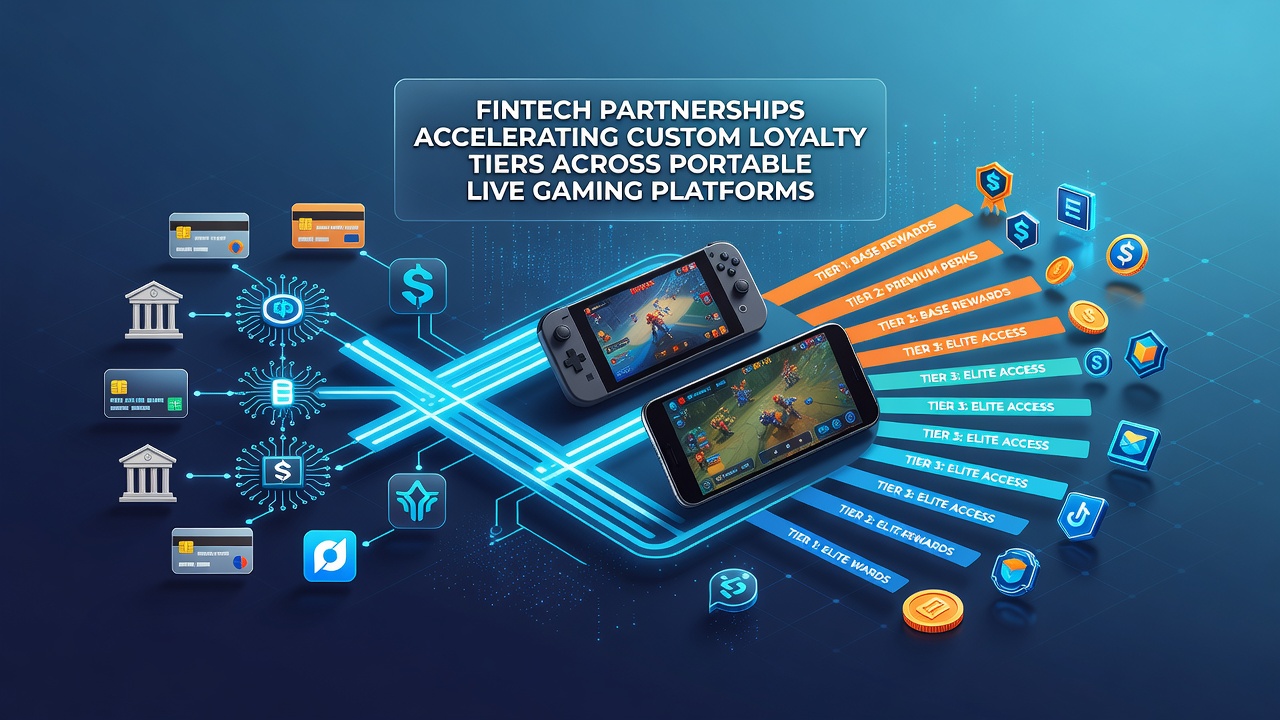
Observers note that such segmentation creates multiple loyalty pathways rather than a single linear progression, allowing casual players to access niche benefits like themed live table tournaments while high-volume participants receive dedicated account managers. Reports from the Canadian Gaming Association indicate that platforms adopting these multi-path systems recorded retention increases averaging 22 percent compared with static tier models used in prior years.
Regulatory Compliance Across Jurisdictions
Partnerships must navigate varying regulatory frameworks, including those enforced by the Nevada Gaming Control Board and equivalent bodies in European markets outside the United Kingdom. Fintech providers embed compliance modules that flag transactions requiring additional verification before loyalty points accrue, which helps operators avoid penalties while sustaining rapid reward delivery. Data exchange protocols include audit trails that regulators can access upon request, ensuring transparency without disrupting the mobile user journey.
These measures have proven effective in jurisdictions where portable gaming faces stricter oversight on player fund segregation and reward fairness. Partnerships often include third-party auditors who review loyalty algorithms quarterly, verifying that tier benefits remain proportional to verified activity and that no discriminatory practices emerge from automated decision-making.
Emerging Technologies in Loyalty Delivery
Blockchain integrations represent a growing subset of these collaborations, with certain platforms testing token-based loyalty currencies that transfer across partnered ecosystems. When players reach higher tiers, their accumulated value converts into transferable assets usable on affiliated live gaming sites, a feature rolled out in select markets by August 2026. Smart contracts automate distribution of these tokens upon reaching milestones, reducing administrative overhead and creating interoperability between otherwise separate platforms.
Hardware-level partnerships with device manufacturers further refine loyalty experiences by embedding biometric authentication that ties directly to tier status. Mobile users gain instant access to personalized live dealer interfaces once their verified identity matches an active loyalty profile, which streamlines entry into exclusive sessions while maintaining security standards required by regional licensing authorities.
Conclusion
Fintech partnerships continue to expand the scope of custom loyalty tiers available on portable live gaming platforms through integrated payment, analytics, and compliance solutions. As operators adopt these systems, the resulting structures deliver more granular reward options that respond directly to player behavior across devices and jurisdictions. Data collected through August 2026 demonstrates measurable impacts on retention metrics when such collaborations prioritize speed, transparency, and regulatory alignment.