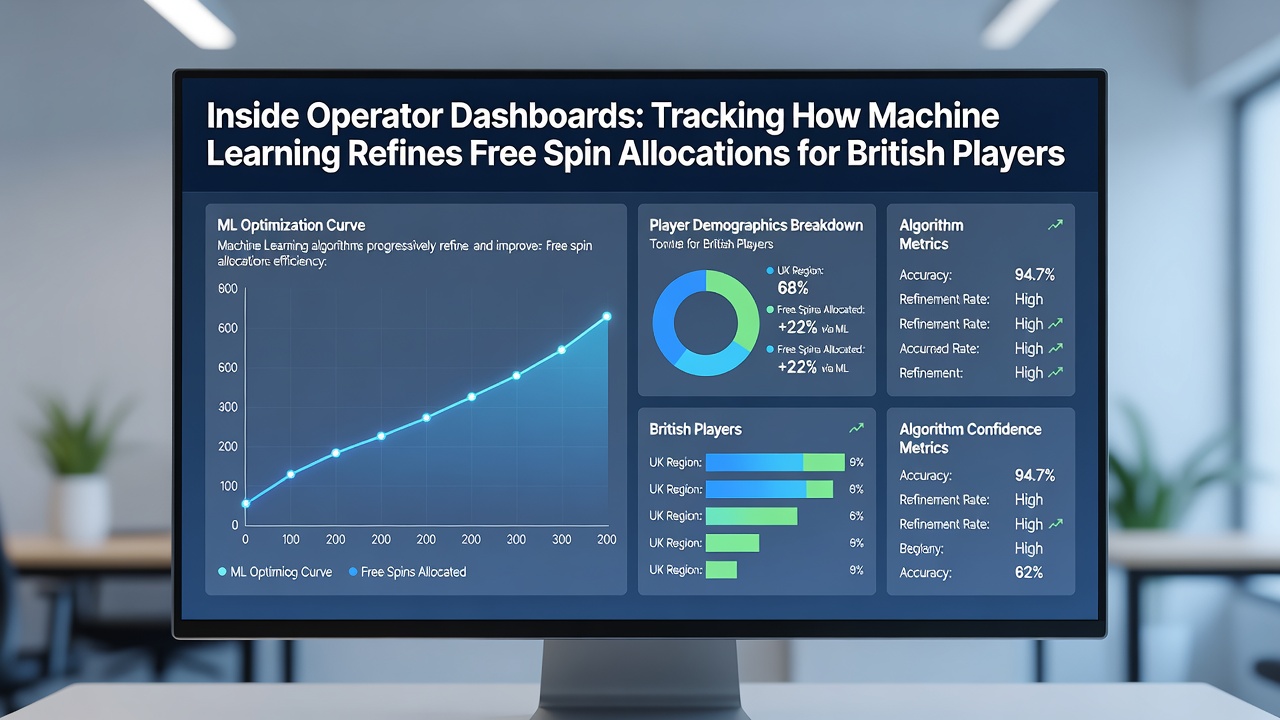
Inside Operator Dashboards: Tracking How Machine Learning Refines Free Spin Allocations for British Players
Operator dashboards now serve as central hubs where machine learning models process player data to adjust free spin allocations in real time, and British casino platforms have integrated these systems to match bonus offers with individual engagement patterns. Data streams from game sessions, deposit histories, and session durations feed into algorithms that predict which users respond best to additional spins, and this approach allows operators to distribute promotions without manual intervention. Researchers at the University of Nevada, Las Vegas have documented similar systems in other markets where predictive models reduced bonus waste by aligning offers with predicted play behavior.
Data Inputs That Drive Allocation Decisions
Machine learning systems pull from multiple variables including average bet sizes, game type preferences, and time spent on mobile interfaces, while British players often show distinct patterns during evening hours that influence spin distribution priorities. These models categorize users into segments based on churn risk and lifetime value scores, then apply weighted formulas to determine spin quantities per account. Operators track retention rates after spin awards to refine future predictions, and the feedback loops update model weights weekly to maintain accuracy across changing player cohorts.
Real-Time Adjustments and Dashboard Visualizations
Live dashboards display heat maps of allocation effectiveness alongside conversion rates for each player tier, and managers monitor these visuals to verify that machine learning outputs align with overall revenue targets. When models detect a drop in session frequency for a particular segment, they automatically increase spin offers to re-engage users, and this automation operates continuously without requiring staff approval for each adjustment. Visual charts break down allocation success by region within the UK, highlighting differences between urban and rural player groups that inform broader strategy refinements.
One study from the American Gaming Association examined comparable machine learning applications in North American markets and found that automated bonus systems improved player retention metrics by measurable margins when compared to static allocation methods. British operators have adopted parallel techniques, incorporating location-based data from app usage to further customize spin values for users in specific postcodes.
Integration with Payment and Session Tracking Systems
Dashboards connect directly to payment processors and session logs so that free spin allocations respond instantly to recent deposit activity or withdrawal requests, and this linkage ensures offers reach players at moments of high engagement potential. Machine learning layers analyze correlations between payment method choices and subsequent play duration, then adjust spin quantities accordingly to maximize session extension. Observers note that these connections reduce the lag between data collection and offer deployment from days to minutes in many implementations.
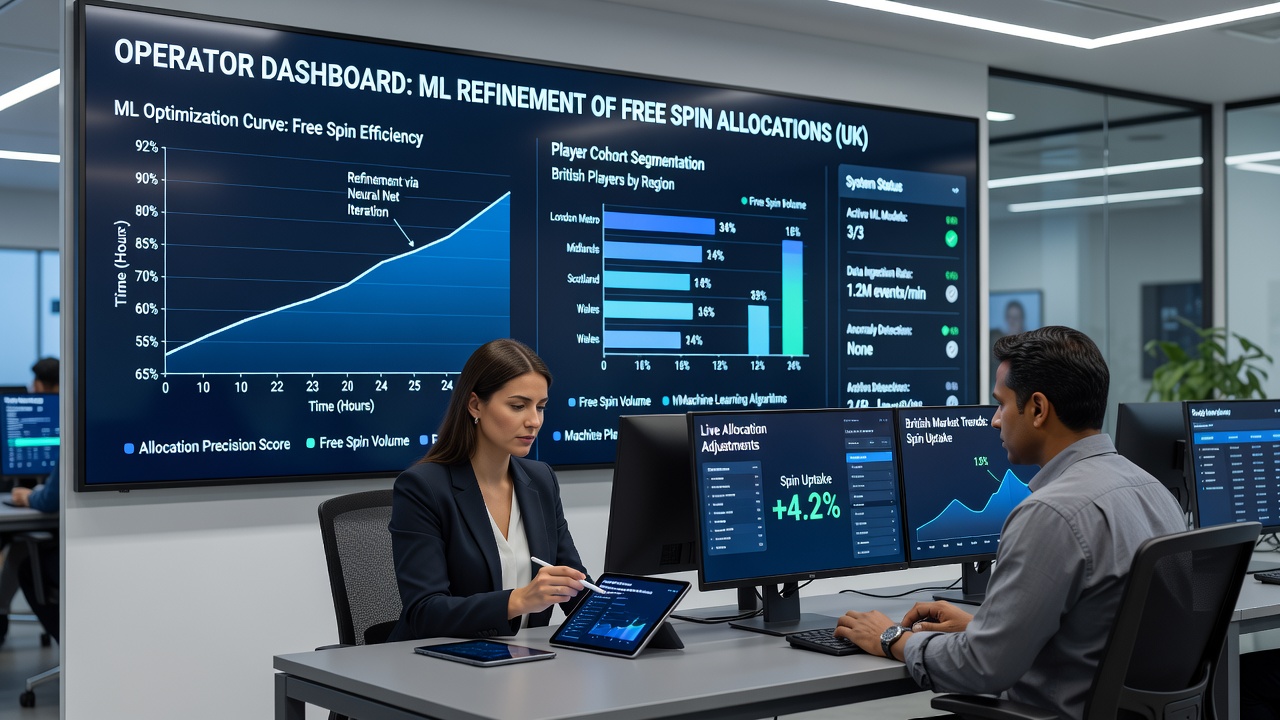
By August 2026, several major platforms serving British users had expanded their dashboard capabilities to include cross-game performance tracking, allowing models to shift spin allocations toward titles that demonstrate higher completion rates among similar user profiles. This expansion built on earlier versions that focused solely on slot mechanics and has since incorporated live dealer interactions where spin equivalents appear as bonus rounds. Data shows that operators who layered these additional variables achieved tighter alignment between offer volume and actual player uptake.
Compliance Monitoring Within Dashboard Frameworks
Systems incorporate rule-based filters that prevent allocations from exceeding thresholds set by internal policies, and these safeguards operate alongside the machine learning components to maintain consistent application across all accounts. Dashboards flag anomalies such as sudden spikes in allocation volume for single users, prompting manual review when patterns deviate from established norms. Those who manage these platforms report that the combination of algorithmic suggestions and compliance layers creates a balanced workflow that processes thousands of adjustments daily.
Performance Metrics and Model Refinement Cycles
Key performance indicators tracked include redemption rates, average session extension after spin awards, and changes in deposit frequency within defined windows, while machine learning models retrain on these metrics to improve future predictions. Operators compare outcomes across different model versions to select the configurations that produce the most stable retention results, and this iterative process continues as new player data enters the system. External audits from independent research bodies occasionally review these cycles to verify statistical validity of the underlying algorithms.
Industry reports from the Responsible Gambling Council in Canada have highlighted how similar data-driven bonus systems in various jurisdictions maintain transparency logs that document every allocation decision for later examination. British platforms mirror these practices by storing allocation histories in accessible formats that support both internal analysis and external verification requests.
Conclusion
Machine learning continues to shape how operator dashboards handle free spin allocations for British players through ongoing integration of session data, payment records, and engagement signals, and the resulting systems deliver targeted offers at scale while incorporating compliance checks at each step. As platforms refine these tools further, the focus remains on accurate segmentation and real-time responsiveness that supports both operational efficiency and regulatory alignment.